
What it is like to work in a research lab
Students ask a working scientist about their day: what they measure, what goes wrong, and what keeps them curious.
Students ask a working scientist about their day: what they measure, what goes wrong, and what keeps them curious.
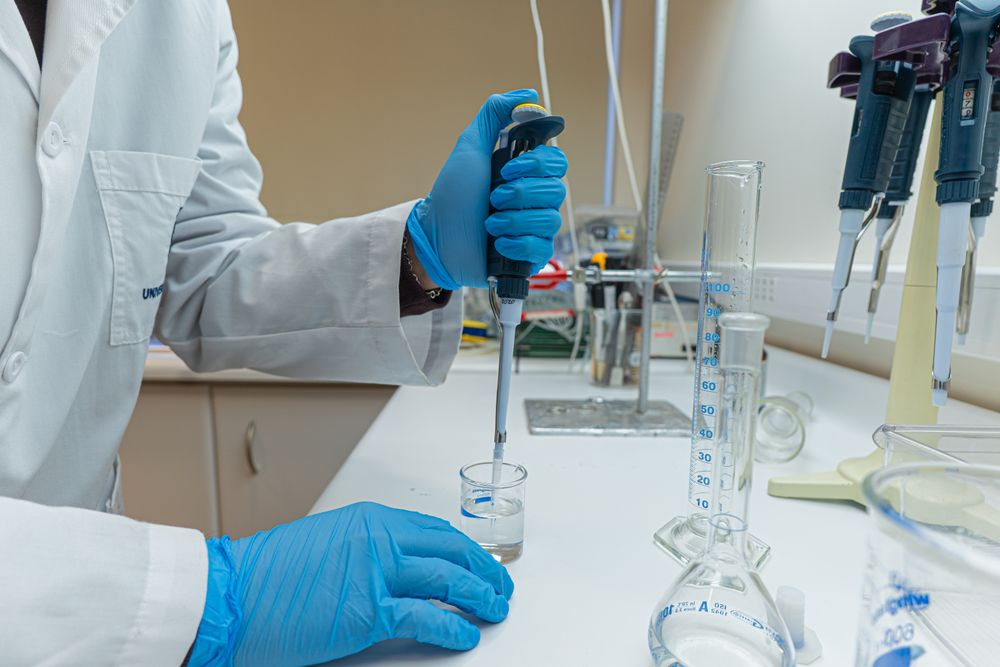
This sample field note is an introduction to research routines, not an interview with a named scientist. A laboratory day can include preparing equipment, checking records, collecting measurements and discussing results with a team.
Before starting, researchers review their method, identify hazards and confirm that the equipment is suitable. Students should follow the instructions of a qualified supervisor and the safety rules of the place they are visiting.
Labels, dates, settings and unexpected observations help make an experiment understandable later. A measurement without information about how it was obtained is much harder to interpret.
Meetings and informal discussions help a team compare interpretations and decide what to try next. Asking a clear question, listening carefully and admitting uncertainty are research skills too.
For a first visit, choose two or three questions to bring with you. Afterwards, separate what you observed directly from what you learned through conversation.
Keep exploring